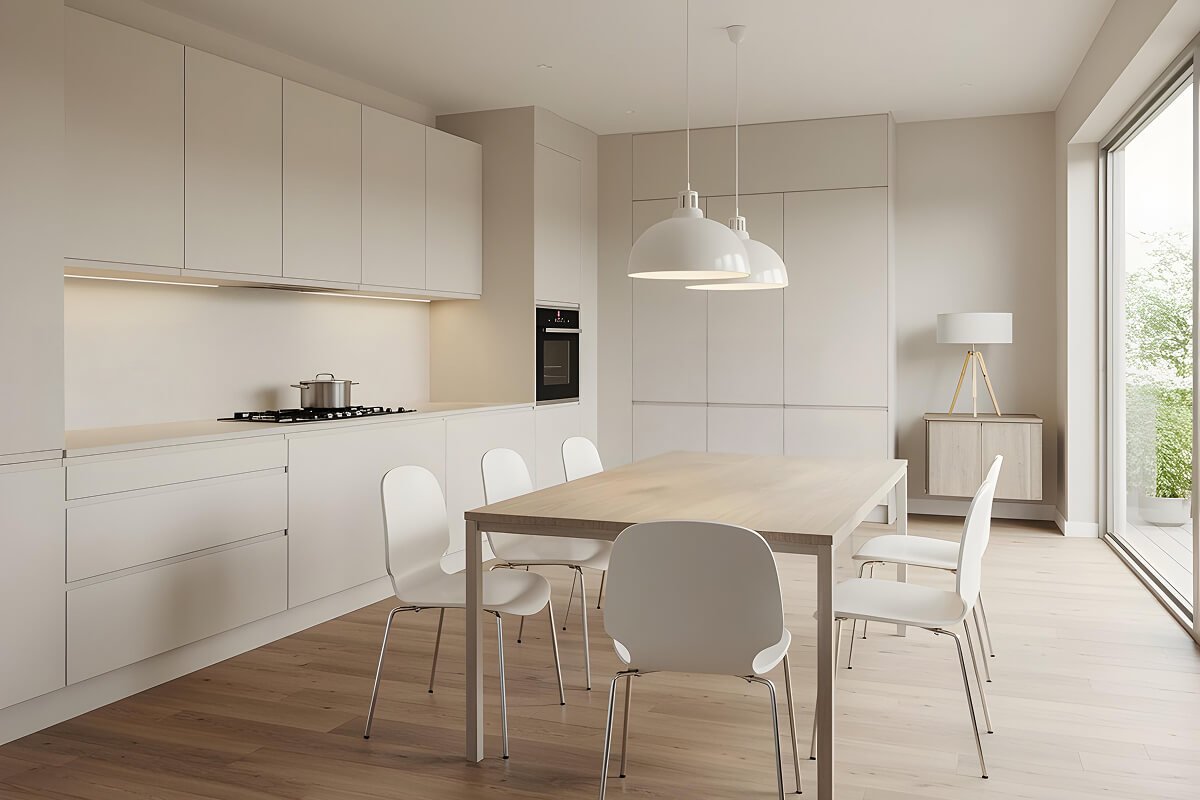
The most outstanding interior design trends for 2026 are a heightened awareness of "modern heritage" and practical luxury. Homeowners are shifting away from stark, sterile areas to thermal minima, using earthy colour palettes, tactile surfaces and high-performance, sustainable materials. Among the main changes is an upward thrust of "social kitchens" fitted with clever, handleless cabinets, moisture-resistant to ensure hardiness in Indian climates, including the use of HDHMR boards
If you're planning home upkeep or a brand-new build this year, you are likely looking for the latest indoor design trends that balance flawless aesthetics with long-lasting functionality. We are seeing a big shift in how human beings view their residing spaces, moving far from ordinary, excessive-protection decor closer to homes that feel warm, noticeably functional, and deeply personal. At Modus Home Decor, we believe that true luxury home interiors should not just look good in a listing; they should withstand the realities of everyday life. Let’s dive into the notably anticipated tendencies, a good way to outline present-day residing and custom modular setups in 2026.
Top 7 Interior Design Trends for 2026 for your Home
Trend #1: "Warm Minimalism" Redefines Interior Design Trends
For the last decade, cool greys and stark whites dominated the market. In 2026, the palette is warming up. Warm minimalism is all about creating a "cocooning" effect that feels sophisticated yet inviting.
- The Colours: Expect to see deep Sage Greens, Terracotta, soft Mushroom, and "Cloud Dancer" (a rich, warm white).
- Colour Capping: Instead of just painting walls, designers are bringing these earthy tones up onto the ceilings, creating a seamless, immersive environment.
- The Execution: To ground these bold colours, pair them with matte-finish wood grains. High-gloss finishes are giving way to natural, understated elegance.
Trend #2: The "Social Kitchen" & Next-Gen Modular Kitchen Designs
The kitchen is no longer a hidden, utilitarian space at the back of the house; it has become the primary entertaining zone. This shift has completely revolutionised modular kitchen designs.
- Invisible Functionality: Homeowners are demanding clean lines. Handleless, push-to-open cabinets, integrated appliances, and hidden pantries are non-negotiable for a modern look.
- Tactile Surfaces: Flat, boring cabinets are being replaced with lacquered glass, fluted wood panels, and stone-finish laminates that add incredible depth to the room.
- The Technical Edge: For a social kitchen to look flawless year after year, the foundation matters. This is where the HDHMR board benefits become crucial. High-Density High Moisture Resistance (HDHMR) boards are engineered to withstand the intense heat, humidity, and water exposure typical of Indian cooking. Unlike standard plywood, HDHMR prevents warping and termite damage, ensuring your investment lasts a lifetime.
Trend #3: Curated Heritage in Modern Interior Design Trends
We are officially leaving the era of "matchy-matchy" furniture behind. The new focus is on "Modern Heritage", a design philosophy that harmonises sleek, modern modularity with soulful, vintage-inspired elements.
- Mixing Wood Tones: Don't be afraid to pair a dark walnut dining table with lighter, oak-finished modular units.
- Curves and Arches: To soften the rigid, boxy feel of standard apartments, we are integrating curved edges into modular TV units, arched open shelving, and rounded kitchen islands. This brings a fluid, organic energy to the home that feels inherently luxurious.
Trend #4: The Clutter-Free Movement and Modern Wardrobe Styles
Storage is getting a massive upgrade. The core philosophy for 2026 is that storage should be architectural, not just an afterthought.
- Floor-to-Ceiling Integration: Modern wardrobe styles are moving toward seamless, floor-to-ceiling designs that blend perfectly into the wall, maximising vertical space and eliminating dust-gathering gaps at the top.
- Smart Compartmentalisation: Inside, it’s all about custom organisation. Think pull-out accessory trays, built-in ambient lighting that turns on when the doors open, and specialised zones for formal wear versus daily wear.
- Textured Shutters: Fluted glass, tinted acrylics, and fabric-textured laminates are transforming wardrobes from simple storage boxes into standout design features in the bedroom.
Trend #5: High-Performance Sustainable Materials Are the Ultimate Interior Design Trends
Sustainability is no longer a buzzword; it is a baseline expectation. However, in 2026, the definition of "green living" is shifting from just using natural elements to prioritising durability.
Replacing cheap, breaking furniture every five years is the opposite of sustainability. Today, utilising high-performance, long-lasting, sustainable materials like premium engineered woods and low-VOC (Volatile Organic Compounds) finishes is the smartest choice you can make. Not only do these materials prevent harmful off-gassing, keeping your indoor air safe for children and pets—but their extreme durability means fewer resources are consumed over the lifespan of your home.
Trend #6: Multifunctional "Flex" Spaces
As the line between work, rest, and play continues to blur, homes need to adapt on the fly. "Flex" spaces are custom-designed zones that serve multiple purposes without looking cluttered.
- Hidden Workstations: Integrating drop-down desks or fold-away vanity units within modern wardrobe styles to keep bedrooms looking like places of rest, not offices.
- Sliding Partitions: Using fluted glass sliding doors to temporarily divide a large living room into a private study or guest room when needed.
Trend #7: Warm Metallics and Ambient Lighting
Harsh, bright white lighting and cold chrome hardware are completely out. The new trend heavily favours warmth and ambiance.
- The Hardware: Cabinet handles, faucets, and light fixtures are pivoting to brushed brass, champagne bronze, and antique copper. These finishes add an instant touch of luxury to home interiors.
- Layered Lighting: Instead of relying on a single ceiling light, interiors are utilising profile lighting hidden beneath kitchen cabinets, inside wardrobes, and behind TV units to create a soft, glowing atmosphere.
How to Adopt Interior Design Trends Without Losing Your Personal Style
It is easy to get swept up in what looks good on Pinterest, but your home should ultimately reflect you. The secret to adopting interior design trends is the 80/20 rule. Keep 80% of your large investments (like modular kitchens, wardrobes, and flooring) timeless and neutral. Use the remaining 20% to experiment with current trends through easily changeable elements like wall paint, cabinet hardware, soft furnishings, or statement lighting.
Budgeting for Your Renovation: Where to Splurge vs. Save
Achieving luxury does not mean overspending everywhere. Smart budgeting requires knowing which elements add long-term value.
- Where to Splurge: Always invest heavily in the structural core. Splurge on high-quality hinges, soft-close channels, and base materials. Taking advantage of HDHMR board benefits for your kitchen and wardrobes is a non-negotiable splurge that saves you money on repairs later.
- Where to Save: Save on decorative accessories, accent rugs, or trendy wallpaper, which can easily be swapped out in a few years without requiring a contractor.
The Role of 3D Customisation in Modern Homes
Gone are the days of guessing how a piece of furniture will look in your space. One of the most important developments in home interiors is the use of advanced 3D visualisation. Before a single board is cut, homeowners should demand a comprehensive 3D render of their space. This ensures that the scale, colour palette, and traffic flow work perfectly, eliminating costly trial-and-error mistakes during the installation phase.
The Modus Approach: Where Global Trends Meet Flawless Execution
Knowing the modern-day trends is half the war; executing them with precision is what separates a very good home from a terrific one. Translating ideas like invisible storage and custom fluted panelling calls for advanced production and meticulous craftsmanship. This is why investing in expertly engineered modular solutions ensures your Pinterest board inspiration seamlessly transitions into fact. By combining contemporary equipment with a knowledge of local climate challenges, top-class interior solutions ensure your area is not simply visually appealing today but remains practical and safe for many years.
Conclusion: Transforming Trends into Your Reality
While it's far interesting to discover the modern-day interior design trends, the secret to a superbly designed home is selecting elements that align together with your specific lifestyle. Whether you are interested in the earthy warmth of current history, the smooth performance of invisible kitchen storage, or the toughness of HDHMR-sponsored cabinetry, your area has to work effortlessly for you.
Don't simply chase a trend, construct an environment that lasts. Ready to carry those ideas to life? Visit the Modus Home Decor showroom in Gurugram or explore our online collections to begin your adventure towards a wiser, extra stunning home these days.
Frequently Asked Questions (FAQs)
Q1: What are the top interior design trends for 2026?
The leading trends focus on warm minimalism, "Modern Heritage" aesthetics, highly functional social kitchens, and the use of tactile, sustainable materials.
Q2: Why are HDHMR boards recommended for modular kitchens?
HDHMR boards are highly resistant to moisture, heat, and termites, making them the most durable choice to survive the intense conditions of Indian kitchens.
Q3: What is the "Social Kitchen" design trend?
A social kitchen blends seamlessly with the living area, utilizing handleless cabinetry and integrated appliances to create a clean, clutter-free space perfect for entertaining.
Q4: How can I make my modern wardrobe more functional?
Maximise your wardrobe's functionality by opting for seamless floor-to-ceiling designs, custom internal organisers, and integrated sensor lighting.
Q5: What is "Warm Minimalism" in home interiors?
Warm minimalism replaces cold whites and stark greys with inviting, earthy tones like terracotta, sage green, and warm beige, paired with natural wood textures.