Quick Answer:
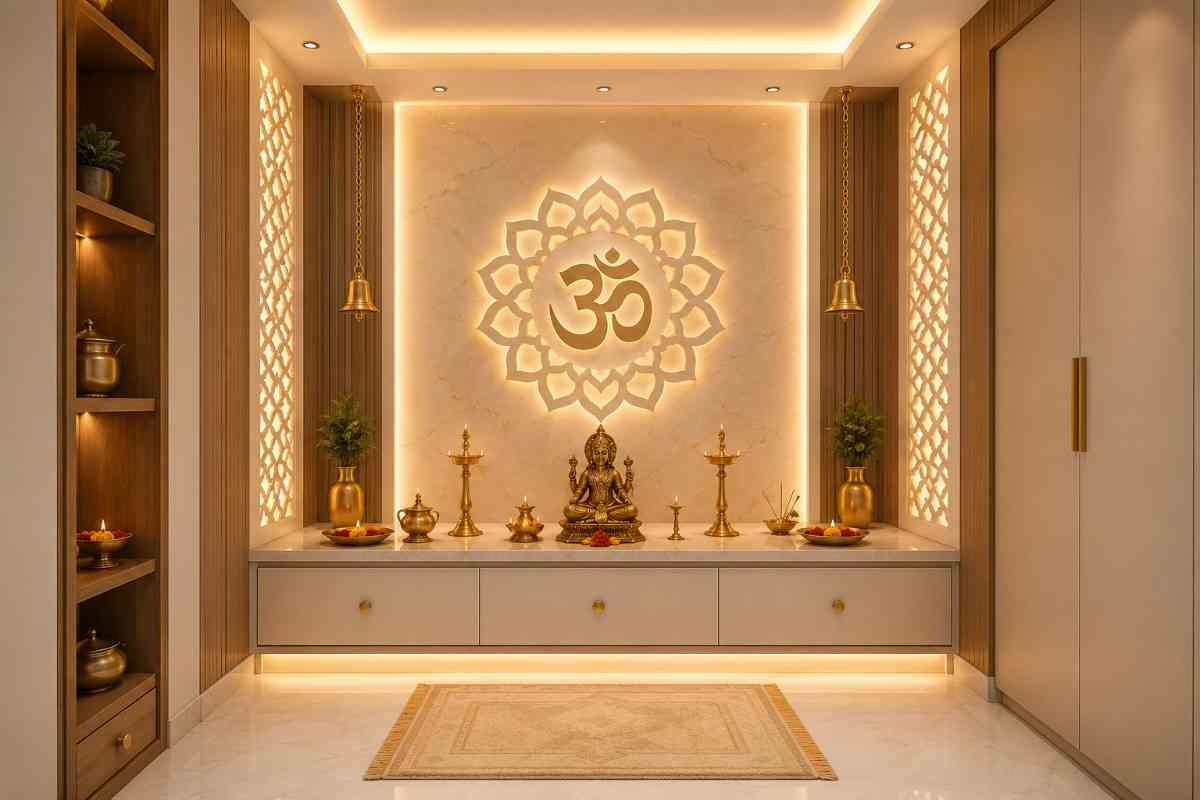
As per Vastu Shastra, the most auspicious colours for a pooja room are soothing, light shades like white (for purity), light yellow (for wisdom), and light orange or saffron (for spiritual energy). Always avoid dark shades like black or dark grey, as they absorb positive energy. For the best flow of positivity, pair these light colours with a North-East room placement and a matte wall finish.
Walk into any home, and you can usually tell within seconds which corner belongs to the family deity. There's a stillness there, a hush that the rest of the house doesn't have. But have you ever wondered why some pooja rooms feel instantly calming while others feel flat, no matter how beautifully they're decorated? More often than not, the answer lies in a single overlooked detail, colour.
At Modus Home Decor, we believe your prayer space should do more than just house your idols and diyas. It should hold energy. And according to ancient Vastu Shastra principles, colour is one of the most powerful (and easiest) ways to invite that energy in. Choosing the best colour for pooja room as per Vastu isn't about following a trend; it's about aligning your space with the five elements and the direction it faces, so that positivity, peace, and prosperity flow freely through your home.
If you're repainting your mandir corner or designing a fresh pooja unit, Modus Home Decor have drawn on over 25 years of combined experience in modular home interiors to bring you the top six pooja room Vastu colours you should know about before you pick up that paintbrush.
What are the Top 6 Colours for a Pooja Room As Per Vastu?
1. White: The Colour of Purity and New Beginnings
White has been the traditional favourite for prayer spaces for generations, and for good reason. In Vastu, white represents the Moon and stands for purity, clarity, and peace of mind. A white or off-white pooja room helps quieten mental clutter, making it easier to focus during prayer and meditation. It also reflects natural light beautifully, giving even a small mandir corner an open, airy feel. If you want a space that feels untouched by negativity, white is close to foolproof.
Pro tip from Modus Home Decor: Pair a white backdrop with a warm wooden temple unit, the contrast adds warmth without disturbing the sattvic energy of the room.
2. Light Yellow: Inviting Wisdom and Positivity
Yellow is ruled by Jupiter, the planet of wisdom, knowledge, and spiritual growth, which is exactly why it's considered one of the most auspicious vastu colour for mandir room choices. A soft, light yellow wall doesn't just brighten the space visually; it's believed to sharpen concentration and bring a sense of optimism to daily rituals. Avoid bright or neon yellows, though, the goal is a gentle, buttery shade that soothes rather than stimulates.
Yellow works especially well in pooja rooms that don't get much direct sunlight, since it visually mimics the warmth of natural daylight.
3. Light Blue: Calm, Devotion, and Depth
Light or sky blue is often associated with Lord Krishna and Lord Vishnu, making it a spiritually significant choice for many households. Beyond its religious symbolism, blue carries a calming, meditative quality that helps slow down racing thoughts, ideal for a space meant for reflection. Stick to pale, muted blues rather than deep navy or royal blue, which can feel heavy and overpowering in a small, enclosed prayer area.
4. Light Pink: Warmth, Love, and Emotional Balance
Not commonly discussed, but genuinely effective, light pink brings a gentle, nurturing warmth to a pooja room. It's associated with love, compassion, and emotional balance, making it a lovely choice for families who want their prayer space to feel welcoming rather than austere. A blush pink wall paired with brass idols and a wooden mandir creates a soft, homely glow that feels personal and inviting.
5. Light Green: Growth, Harmony, and Fresh Energy
Green symbolises Mercury and represents growth, harmony, and renewal. A light or sage green pooja room is said to encourage fresh starts and balanced decision-making, perfect for families who use their prayer space to set intentions before big life events. Keep the shade soft and earthy rather than bright or forest green, which can feel visually heavy in a compact space.
6. Light Orange or Saffron: Spiritual Energy and Auspiciousness
No list of best colours for pooja room as per Vastu is complete without saffron. Deeply woven into Indian spiritual tradition, saffron and light orange tones are believed to boost positive, spiritual energy and are especially recommended for pooja rooms facing the north-east direction, considered the most auspicious placement according to Vastu. A pastel orange or terracotta accent wall, combined with brass or copper decor, creates a rich, temple-like ambience without overwhelming the senses.
A Few Bonus Vastu Tips for Your Pooja Room
-
Direction matters as much as colour = The north-east corner of your home, known as the Ishaan corner, is considered the most ideal placement for a pooja room.
-
Avoid black and dark grey = in prayer spaces, as these shades are believed to absorb positive energy rather than reflect it.
-
Use matte or satin finishes = instead of high-gloss paint — glossy surfaces are thought to scatter energy rather than hold it steady.
-
Let natural light in wherever possible = Light amplifies the effect of your chosen colour, especially shades like white, yellow, and light orange.
How Modus Home Decor Can Help
Getting the colour right is only half the job, the real difference shows up in how that colour is brought to life in your home. This is where Modus Home Decor steps in.
- Vastu-conscious mandir designs = Our pooja room units and wooden temples are designed keeping traditional Vastu principles in mind, so you don't have to choose between aesthetics and auspiciousness.
- A range that suits every palette = Whether your walls are painted in serene white, warm saffron, or soft sage green, our collection includes mandir units, shelves, and decor pieces crafted in wood tones and finishes that complement rather than clash with your chosen colour.
- Customisation for every space = From compact wall-mounted mandirs for apartments to elaborate floor-standing temple units for larger homes, we help you design a pooja room that fits your space, your direction, and your family's needs.
- Guidance, not just furniture: Our team can help you think through layout, placement, and material choices alongside colour, so the entire pooja room works together as one harmonious, positive space.
- Quality craftsmanship built to last: Every piece we create is meant to be part of your daily rituals for years, using materials and finishes that hold up beautifully over time.
Conclusion
Your pooja room is one of the few spaces in your home meant purely for stillness, gratitude, and connection. The colour you choose for it does far more than decorate, it sets the tone for every prayer, every quiet moment, every ritual that happens within those walls. Whether you lean towards the purity of white, the wisdom of yellow, or the auspicious glow of saffron, the best colour for your pooja room is ultimately one that makes the space feel sacred to you and your family.
Once you've picked your palette, let Modus Home Decor help you bring the rest of the vision together — from the mandir unit to the smallest decor accent. Explore our curated collection of wooden temples, mandir units, and pooja room accessories at modushomedecor.in, and give your home the sacred corner it deserves.
Frequently Asked Questions
1. What is the best colour for a pooja room as per Vastu?
White, light yellow, and light orange or saffron are generally considered the most auspicious choices, as they're believed to reflect purity, wisdom, and spiritual energy. That said, the right shade also depends on the direction your pooja room faces, so it's worth checking that before you finalise a colour.
2. Which colours should be avoided in a pooja room?
Dark and heavy shades like black, dark grey, and deep navy are usually avoided in prayer spaces. These tones are believed to absorb positive energy rather than let it circulate, which goes against the very purpose of a pooja room.
3. Can I use more than one colour in my pooja room?
Yes, absolutely. Many homes pair a light base shade — like white or pale yellow — with accent tones such as saffron, gold, or light pink on the mandir unit or decor elements. The key is to keep the overall palette soft and uncluttered rather than mixing too many bold colours together.
4. Does the direction of the pooja room affect the colour choice?
It does. Vastu recommends placing the pooja room in the north-east (Ishaan) corner of the home, and pairing that placement with light, sattvic colours like white or light yellow tends to amplify the positive effects rather than work against them.
5. What finish is best for pooja room walls — matte or glossy?
Matte or satin finishes are generally preferred over high-gloss paint. Glossy surfaces are believed to scatter energy instead of holding it steady, so a soft, non-reflective finish works better for a space meant for calm and focus.
6. Is it necessary to repaint my entire pooja room to follow Vastu colours?
Not at all. If a full repaint isn't practical, you can bring in Vastu-aligned colours through your mandir unit, curtains, flooring, or decor accents instead. Even small colour touches, chosen thoughtfully, can shift the energy of the space.